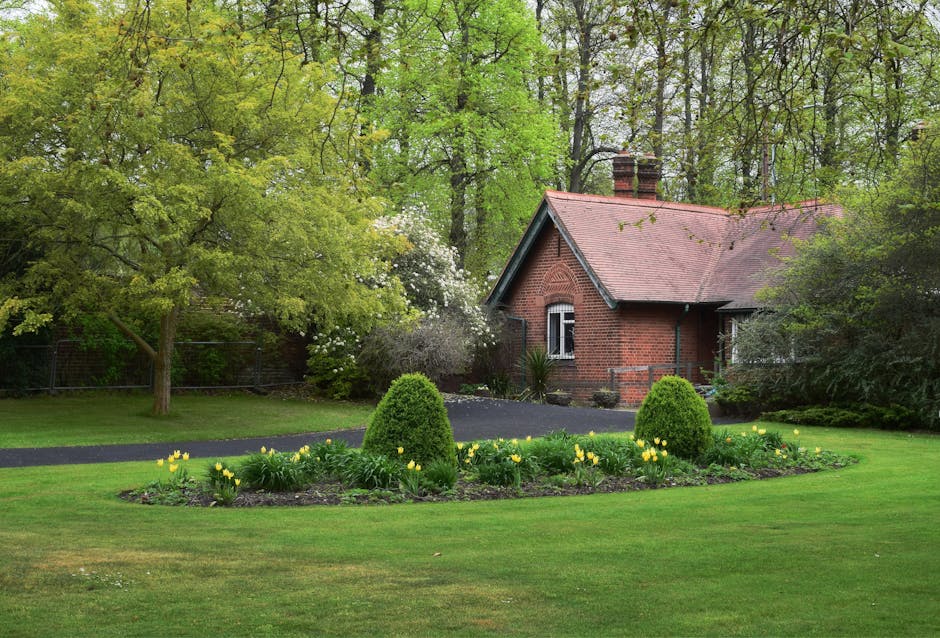
Snaresbrook station front garden ideas by Wanstead gardeners
If you live near Snaresbrook station, the front garden has a funny kind of power. It is the first thing you see when you come home, and the first thing neighbours, visitors, and passers-by notice too. Done well, it can make a narrow terrace feel calmer, a semi-detached house feel more open, and an older property feel properly looked after. Done badly, well... it can look tired very quickly.
This guide to Snaresbrook station front garden ideas by Wanstead gardeners is built for people who want something practical, not just pretty pictures. We'll cover design ideas, planting choices, low-maintenance layouts, common mistakes, and the sensible steps that help a front garden stay neat through wet winters, dry spells, and the usual London day-to-day wear and tear.
Whether you want a tidy rental frontage, a welcoming cottage-style entrance, or a sharper modern look with easier upkeep, you'll find a clear way forward here.
Table of Contents
- Why Snaresbrook station front garden ideas by Wanstead gardeners matters
- How Snaresbrook station front garden ideas by Wanstead gardeners works
- Key benefits and practical advantages
- Who this is for and when it makes sense
- Step-by-step guidance
- Expert tips for better results
- Common mistakes to avoid
- Tools, resources and recommendations
- Law, compliance, standards and best practice
- Options, methods and comparison table
- Case study or real-world example
- Practical checklist
- Conclusion
- Frequently asked questions
Why Snaresbrook station front garden ideas by Wanstead gardeners Matters
Front gardens do more than decorate a house. They shape how the whole property feels from the street. Around Snaresbrook station, where homes often sit close to pavements and foot traffic, a front garden needs to balance style, privacy, and practicality. That balance is the real job here.
A good front garden can soften brick, frame a path, and make a property feel cared for without looking overworked. A bad one usually happens when too many ideas are squeezed into a small space: a large shrub here, a random gravel patch there, a plant that grows too big for the corner, and suddenly the whole thing feels cramped.
That is why local knowledge matters. Wanstead gardeners understand the local feel of the area, the mix of period homes and modern updates, and the way London gardens tend to behave. Shade, road dust, narrow plots, and a bit of lack-of-time all shape the design. Truth be told, most front gardens need less drama and more structure.
There is also the simple everyday benefit: when the front garden is easier to manage, people keep on top of it. You're less likely to leave it for "next weekend" for six months. And let's face it, that happens to the best of us.
How Snaresbrook station front garden ideas by Wanstead gardeners Works
The process usually starts with the space itself, not with a plant list. That sounds obvious, but it is where many projects go off track. A front garden near Snaresbrook station might be compact, sloped, shaded by a wall or tree, or exposed to more foot traffic than you expect. Each of those details changes the design.
A Wanstead gardener will typically look at:
- the size and shape of the frontage
- the amount of sunlight across the day
- drainage and soil condition
- the style of the house
- how much maintenance you're realistically willing to do
- whether you need privacy, screening, or just a neat finish
From there, the ideas are shaped into a workable plan. For some homes, that means crisp edging, low evergreen structure, and gravel or paving for clean access. For others, it means layered planting with a few seasonal highlights and a more relaxed feel.
A good front garden design is not about filling every inch. It is about creating rhythm. A path leads the eye, a hedge gives the space a frame, and planting breaks up hard surfaces so the whole frontage feels alive rather than bare.
If the work involves more than a tidy-up, it can sit alongside broader services such as landscaping or landscape gardening, depending on how structural the changes need to be. And if the garden has simply got away from you a bit, that happens, a careful garden clearance can make the whole plan easier to see.
Key Benefits and Practical Advantages
Front garden improvements are not just cosmetic. The better ones solve several problems at once. Here are the main benefits people usually notice first.
- Better kerb appeal: The house feels more finished and welcoming.
- Easier upkeep: A tidy layout with the right planting reduces weekly stress.
- Clearer access: Paths, steps, and entrances become easier to use.
- More structure: Even a small space can look intentional.
- Improved privacy: Carefully chosen hedging or screening helps without closing everything in.
- Seasonal interest: You get colour and texture across the year, not just one month.
One thing people often underestimate is the emotional effect. You come home on a grey evening, the front lights are on, the shrubs are neat, the path is clear, and the whole place just feels calmer. Small thing? Maybe. But it matters.
For landlords, sellers, and busy families, the practical side is often the biggest win. A front garden that stays orderly can reduce the need for emergency weekend gardening. If the lawn is part of the frontage, a simple service like lawn mowing can keep it from turning shaggy between bigger visits. Likewise, regular hedge trimming can stop boundaries from swallowing the path or hiding the house.
Who This Is For and When It Makes Sense
This kind of project is useful for a lot of different people, not just homeowners who love gardening. In fact, the most common requests tend to come from people who want the opposite of a fussy garden. They want something that looks good and stays manageable.
- Busy homeowners: If weekends are already full, simplicity matters.
- Older properties: Period homes often look best with a balanced, respectful frontage.
- Landlords: A neat front garden helps with first impressions and maintenance cycles.
- Buyers or sellers: A better frontage can improve how a property presents.
- Families: Clear paths and durable planting usually work best.
- People with limited mobility: Better access and safer surfaces can make daily life easier.
It also makes sense if your current front garden has a few recurring issues: water pooling after rain, hedges becoming too dominant, awkward corners that collect debris, or plant beds that never quite seem to settle. Those problems usually grow slowly, then all at once. Funny how that happens.
If you are looking for a broader refresh rather than a single fix, a plan built around ongoing garden maintenance often works better than a one-off tidy. A good front garden is rarely a one-time job. It's more like keeping your coat clean in London weather - constant, mild effort beats a big rescue mission later.
Step-by-Step Guidance
If you want a front garden that suits the Snaresbrook station area, the easiest route is to treat it as a series of small decisions. No need to overcomplicate it.
- Start with the purpose. Ask what the garden needs to do. Welcome guests? Hide bins? Soften a hard frontage? Create privacy?
- Measure the usable space. It sounds basic, but clear measurements prevent overcrowding and awkward gaps.
- Identify what stays. A healthy mature shrub, a good path, or a well-built wall can often be kept and improved rather than replaced.
- Choose a layout style. Formal, contemporary, cottage-inspired, or simple and low-maintenance. Pick one direction and commit.
- Decide on the hard surfaces. Paths, edging, borders, and maybe decking or raised features should support the design, not fight it.
- Build planting around the conditions. Sun, shade, wind, and soil all matter more than trends.
- Add finishing touches. Mulch, edging, lighting, and clean lines can make a big difference.
- Plan upkeep from day one. If you won't maintain a feature, do not install it. Simple as that.
For some homes, a small seating or standing area near the entrance is surprisingly useful. A modest paved corner or a short section of decking services can create a tidy transition from street to home. Not every front garden needs it, of course, but in the right layout it adds warmth and a bit of practicality.
And if the space includes tree cover, don't ignore the canopy. A heavy branch can change light levels, shed more debris, or block the view of a front border. In those cases, careful tree lopping and removal may be worth discussing, especially where safety or repeated shade issues are involved.
Expert Tips for Better Results
Here are the details that tend to separate an average front garden from one that quietly works for years.
- Keep the structure simple. One strong idea is usually better than three competing ones.
- Use evergreen backbone planting. This keeps the garden from looking empty in winter.
- Repeat materials carefully. A matching edge, path finish, or pot style helps the front feel cohesive.
- Leave room for growth. Plants always look smaller at planting time. Always.
- Think about sightlines. Don't block the entrance or turn the windows into hidden boxes.
- Make maintenance easy at the edges. Borders that are impossible to reach quickly become messy borders.
One useful rule is to design from the street inward. If the frontage reads well from ten metres away, it usually works at close range too. That view matters more than people think. It is the first impression, the one you get while unlocking the door in drizzle, carrying shopping, trying to find the key. Real life.
If sustainability matters to you, there are practical choices you can make without turning the garden into a project. Reusing existing paving where it is sound, choosing plants that suit the site, and composting green waste properly can all help. The approach described on recycling and sustainability is worth keeping in mind whenever materials are being removed or replaced.
Small tip, but a good one: avoid too many tiny plants in a front garden. They can look neat for a month, then become a lot of fiddly work. Slightly larger, better-chosen shrubs often give a more settled result. Less fuss. More effect.
Common Mistakes to Avoid
Most front garden problems are not dramatic. They are just a stack of small decisions that did not quite match the space.
- Overplanting: Filling every border makes maintenance harder and the space feel smaller.
- Mixing too many styles: A cottage border, modern gravel, and tropical leaves can clash quickly.
- Ignoring drainage: Standing water, muddy paths, and soggy soil can ruin an otherwise good design.
- Choosing plants for looks alone: Beautiful plants that hate the site are expensive mistakes.
- Forgetting access: A beautiful front garden that is awkward to walk through is not a win.
- Skipping regular trimming: Shrubs and hedges can go from tidy to unruly in a blink.
Another common issue is trying to rescue a cluttered garden with more clutter. More pots, more ornaments, more colours, more everything. Usually that makes it worse. In a small frontage, restraint is your friend.
If you already have an overgrown border or a lot of old material to clear, starting with a proper garden clearance can save time and help you see the bones of the space. That often reveals that the solution is not "more stuff", but better spacing and better form.
Tools, Resources and Recommendations
You do not need a shed full of specialist kit to improve a front garden, but the right tools and services make life easier. The main thing is to match the job to the method.
| Need | Best approach | Why it helps |
|---|---|---|
| General tidying | Routine maintenance | Keeps the frontage neat without a major overhaul |
| Leggy hedges or screening | Regular hedge work | Maintains shape and prevents overgrowth |
| Untidy lawn areas | Consistent mowing | Helps the garden look intentional and cared for |
| Complete reset | Clearance first, then redesign | Lets you work from a clean starting point |
| Structural transformation | Professional landscaping | Useful where levels, access, or layout need proper planning |
When planning a bigger change, it often helps to look at the wider service picture too. The services overview is a useful place to understand how different garden tasks can fit together, while pricing and quotes can help you think about scope before you start.
If you are comparing service levels, remember that not every front garden needs a full redesign. Sometimes a simple maintenance plan is the smarter choice. Sometimes it is not glamorous, but it is absolutely the right call. A bit boring perhaps. Still effective.
Law, Compliance, Standards, or Best Practice
Front garden work in the UK is usually straightforward, but there are still a few things worth handling with care. The aim is to improve the space without causing avoidable issues for neighbours, pedestrians, or the property itself.
Good practice includes:
- keeping paths and entrances safe and clear
- avoiding plant choices that obstruct access or sightlines
- taking care with trees, roots, and underground services where relevant
- disposing of waste responsibly
- making sure any contractors work safely and sensibly
Where trees or large branches are involved, it is wise to treat the work as a safety issue first and a design issue second. If the job is more than simple pruning, a professional approach matters. Likewise, if you are commissioning work, it is reasonable to ask how waste is handled, how access is protected, and what safety steps are used on site. The company's own health and safety policy and insurance and safety information are the sort of pages a careful customer should review.
It is also sensible to understand how bookings, payments, and expectations are handled. Clear terms reduce misunderstandings later, which nobody enjoys. That is exactly the sort of thing covered in terms and conditions and payment and security. Not exciting reading, granted, but useful.
If you value accessibility at the entrance itself, think beyond the plants. Step height, path width, surface grip, and turning space can matter just as much as the planting palette. A front garden should welcome people in, not make them navigate a mini obstacle course.
Options, Methods, or Comparison Table
Different front gardens need different approaches. The best option depends on time, budget, and the look you want to achieve.
| Approach | Best for | Pros | Trade-offs |
|---|---|---|---|
| Low-maintenance planting | Busy homeowners, rental properties | Simple, tidy, easier to manage | Can feel less lush if overdone |
| Formal design | Period homes, neat street presence | Strong structure, polished look | Needs accurate trimming and upkeep |
| Mixed border and path layout | Homes wanting softness and access | Balanced, flexible, welcoming | Needs careful plant spacing |
| Hard landscaping-led frontage | Small or shaded gardens | Durable, clear, clean finish | Can feel stark if not softened with planting |
In practice, many of the best front gardens around Wanstead and Snaresbrook blend two approaches. For example, a defined path with low planting can give you the order of a formal layout and the warmth of a softer scheme. That mix tends to age well too.
If the frontage needs a full transformation, the right blend may involve structural landscaping at the core, then ongoing tidy work afterwards. That is often the most realistic long-term solution, even if it takes a little longer to plan.
Case Study or Real-World Example
Here's a realistic example. Imagine a small front garden near Snaresbrook station with a narrow path, an overgrown hedge, tired edging, and a patchy lawn that never really settled. It looked fine from far away if you squinted a bit. Up close? Not so much.
The first step would be clearance and a clean reset. That might mean removing dead material, cutting back the hedge, and stripping out clutter that had built up over time. Once the space is open, you can see what is worth keeping.
Next, the layout is simplified. The path stays clear. A low evergreen border adds shape. The lawn is reduced to a size that can actually be maintained. In one corner, a small hard-surfaced section creates a neat transition by the entrance, and the planting is chosen for tolerance rather than drama.
The result is not flashy. And that is the point. The garden looks calm, feels easier to live with, and does not demand constant intervention. Over a few weeks, the property reads as more settled from the street. The owner feels better about coming home. Neighbours notice, though they may not say anything. That happens too.
If the same property wanted to go one stage further, a broader design plan could be developed through landscape gardening, with seasonal maintenance scheduled afterwards so the look holds together.
Practical Checklist
Use this checklist before you start any front garden update near Snaresbrook station.
- Define the main purpose of the garden.
- Measure the space and note sunlight and shade.
- Decide what stays, what goes, and what needs repair.
- Choose one clear style direction.
- Check the condition of paths, edges, and drainage.
- Pick plants that match the site, not just the look.
- Leave enough room for growth and access.
- Plan how often the frontage will need maintenance.
- Think about waste removal and recycling from the start.
- Make sure the final design is realistic for your routine.
If your project will involve contractors, it is also worth checking the business basics: who will do the work, how communication happens, and what happens if plans change. A clear about us page can help with trust, while complaints procedure and cookie policy pages show a business is thinking beyond the obvious. Slightly dull, yes, but proper.
Conclusion
Snaresbrook station front garden ideas by Wanstead gardeners are really about making a small but visible space work harder for everyday life. The best front gardens are not the most complicated ones. They are the ones that suit the house, stay manageable, and keep looking thoughtful in February as well as in June.
If you focus on structure first, plant for the site, and keep maintenance realistic, you will end up with a frontage that feels welcoming rather than demanding. That is the sweet spot. Not perfect, just right for the home and the way you live.
And if you want help shaping that into something practical, there is no harm in taking the next step and getting a clear quote. A well-planned front garden is one of those improvements you notice every single day, even if you only think about it for ten seconds at a time.
Get a free quote today and see how much you can save.
Sometimes the simplest change at the front of a house is the one that quietly lifts the whole place. Bit by bit, that adds up.
Frequently Asked Questions
What are the best front garden ideas for a house near Snaresbrook station?
The best ideas usually focus on low-maintenance structure, clear access, and planting that suits local conditions. Think neat borders, evergreen form, and a simple layout that does not feel crowded.
How do Wanstead gardeners make a small front garden look bigger?
They usually use cleaner lines, lighter planting, and a layout that reduces visual clutter. A clear path, well-spaced plants, and consistent materials can make a tight space feel calmer and more open.
Is a front garden better with lawn, gravel, or planting?
It depends on how much time you want to spend maintaining it. Lawn looks soft but needs regular care, gravel can be low upkeep if done well, and planting gives the most life but needs sensible selection.
How often should a front garden be maintained?
Most front gardens benefit from light, regular attention rather than occasional big jobs. Hedges, lawns, and borders often need checking every few weeks in growing season, especially if you want a tidy street-facing look.
What should I do first if my front garden is overgrown?
Start with clearance. Once the clutter and overgrowth are removed, you can see the space properly and decide whether to redesign, replant, or just tidy and maintain what is already there.
Can a front garden improve the value or appeal of my home?
It can improve appeal, which is often the first thing people notice. A clean, well-planned frontage makes a property feel cared for and can create a better first impression, especially when viewed from the street.
Do I need landscaping or just garden maintenance?
If the layout is fine and the space just looks tired, maintenance may be enough. If paths, levels, borders, or structure need changing, landscaping is usually the better fit.
How do I keep hedges from getting out of hand?
Regular trimming is the key. Once a hedge is left too long, it becomes harder to shape neatly, and it can start taking over light, access, or sightlines before you realise it.
Are low-maintenance front gardens boring?
Not at all. A low-maintenance garden can still look elegant, smart, and well put together. It just relies on good structure and the right planting rather than lots of constant tending.
What makes a front garden feel welcoming?
Clear access, balanced planting, tidy edges, and a layout that suits the house all help. You do not need to overdo it. Often, a calm and uncluttered entrance feels more welcoming than a busy one.
How do I choose between a full redesign and a simple tidy-up?
If the bones of the garden are sound, a tidy-up may be enough. If the space has poor drainage, awkward levels, overgrown features, or a layout that never worked, a redesign will usually be worth it.
What services are most useful for a front garden project?
Depending on the problem, the most useful services are often garden maintenance, hedge trimming, lawn mowing, and, for bigger changes, landscaping. If the space needs a reset first, garden clearance can be the best starting point.