E11 Garden Maintenance Tips from Wanstead Gardeners
If you live in E11 and your garden seems to need attention just when you thought you were ahead of it, you are not alone. Gardens in Wanstead and the wider E11 area can change quickly: one wet week and the lawn looks tired, a bit of wind and the borders are scattered with debris, then suddenly the hedges are doing their own thing. These E11 garden maintenance tips from Wanstead gardeners are designed to help you stay on top of the basics without turning every weekend into a full-time job. The aim here is simple: keep the space healthy, tidy, and pleasant to use, while making sensible choices about what to do yourself and when to call in help.
There is a real difference between a garden that is merely "cut back" and one that is maintained properly. One looks fine for a day. The other keeps its shape, grows better, and usually costs less to rescue later. Let's face it, most garden problems do not arrive dramatically. They creep in. A few weeds here, a mossy patch there, an overgrown hedge that starts shading out the lawn. Manage those small issues early and the whole garden becomes easier to live with.
Below, you will find practical, local-minded advice shaped for everyday gardens in E11, along with a clear step-by-step routine, common mistakes, tools, and a realistic example of how maintenance builds up over time. If you want broader support for ongoing care, you may also find the garden maintenance service useful alongside the tips in this guide.
Table of Contents
- Why E11 garden maintenance tips from Wanstead gardeners Matters
- How E11 garden maintenance tips from Wanstead gardeners Works
- Key Benefits and Practical Advantages
- Who This Is For and When It Makes Sense
- Step-by-Step Guidance
- Expert Tips for Better Results
- Common Mistakes to Avoid
- Tools, Resources and Recommendations
- Law, Compliance, Standards, or Best Practice
- Options, Methods, or Comparison Table
- Case Study or Real-World Example
- Practical Checklist
- Conclusion
- Frequently Asked Questions
Why E11 garden maintenance tips from Wanstead gardeners Matters
Garden maintenance is not just about making things look neat. In a local setting like E11, it is about keeping a garden manageable through the seasons, protecting plant health, and avoiding the kind of small damage that becomes annoying very quickly. A patch of compacted soil can stop grass from recovering after rain. A hedge left too long can block light from a border. A pile of leaves left in one corner can become slippery, damp, and a bit of a mess. None of that is dramatic on its own, but it adds up.
Wanstead gardens often have a mix of mature planting, compact outdoor spaces, family lawns, side returns, and hard landscaping features that need regular attention. That means maintenance has to be practical rather than fussy. The best approach is usually steady and seasonal, not extreme. A little and often. That phrase gets repeated for a reason.
There is also the local weather reality. London gardens deal with shaded patches, rainfall that arrives all at once, periods of dry heat in summer, and leaf fall in autumn that seems to happen overnight. If you are maintaining a garden in E11, you need to plan for change, not just for appearances. You want resilient planting, safe surfaces, and a routine that keeps the whole space usable.
In our experience, the gardens that hold up best are the ones where owners deal with the basics early: mowing before the lawn gets stressed, trimming before growth becomes woody, clearing debris before it smothers smaller plants, and checking drainage before a wet spell turns paths into muddy corridors. It sounds obvious. It is still where many people slip up.
How E11 garden maintenance tips from Wanstead gardeners Works
Good garden maintenance works like a cycle, not a one-off project. You inspect, tidy, prune, mow, feed, mulch, and clear away. Then you repeat. The exact order changes with the season, but the principle stays the same: stay ahead of growth and weather, rather than reacting after everything has gone sideways.
A practical maintenance routine for E11 gardens usually starts with observation. Walk the garden slowly. Look at the lawn, the borders, the hedges, the paths, the fence lines, the patio edges, and any trees or shrubs that might be dominating the space. You do not need to overthink it. Just notice what looks off. Brown patches, leaning growth, bare soil, weeds in cracks, overcrowded plants, or branches rubbing against one another - all of these are maintenance signals.
Once you know what needs attention, the work becomes more manageable. The lawn might need edging and mowing. The borders might need weeding and deadheading. Hedges may need trimming back to shape. Trees might need careful inspection for dead or awkward branches. For larger tasks, services such as lawn mowing, hedge trimming, or even tree lopping and removal can help keep the job safe and controlled.
Maintenance also works best when the garden is cleaned in layers. First clear loose debris. Then cut back overgrowth. Then check what is underneath. That is when you spot hidden weeds, damaged edging, compacted soil, or rot around timber features. It is a bit like cleaning a kitchen properly - you only find the real issue once the surface clutter is gone. A little oddly satisfying, too.
For gardens that have accumulated a lot of waste, bramble, clippings, or old materials, a proper garden clearance can reset the space before a more regular maintenance plan begins. Sometimes that is the difference between a garden you manage and a garden that manages you.
Key Benefits and Practical Advantages
Regular maintenance gives you more than a tidy-looking garden. It protects the time and money already invested in the space. That matters whether your garden is a small E11 courtyard, a family lawn, or a more established plot with mature shrubs and trees.
- Better plant health: clearing dead growth, feeding correctly, and spacing plants well helps reduce stress and disease pressure.
- Safer paths and surfaces: moss, leaf build-up, loose debris, and overgrowth can make walkways slippery or awkward.
- More usable outdoor space: a maintained garden is easier to enjoy, whether you want to sit out, play, or simply look out at it from the house.
- Lower long-term effort: steady maintenance is nearly always easier than repeated rescue work after neglect.
- Better seasonal resilience: well-kept borders and lawns recover faster after heat, rain, or cold snaps.
- Improved kerb appeal: if you care about presentation, an orderly garden makes a noticeable difference from the street and at the back of the property.
There is also a subtle but important benefit: maintenance reduces decision fatigue. When every shrub, path, and lawn edge is slightly out of control, the garden feels mentally heavier. When it is in rhythm, you know what needs doing and when. It becomes a rhythm, not a headache.
That said, not every garden needs the same level of intervention. A low-maintenance planting scheme and a high-traffic family lawn will have different priorities. The point is not perfection. The point is a garden that suits the way you actually live.
Who This Is For and When It Makes Sense
These E11 garden maintenance tips from Wanstead gardeners are useful for homeowners, landlords, tenants with responsibility for outdoor areas, and anyone looking after a front or back garden in the area. They are especially helpful if your garden has grown a little wild between seasons, or if you keep meaning to "get on top of it" and then the week disappears. Happens to the best of us.
This approach makes particular sense if:
- your lawn has patches, weeds, or uneven growth
- your hedges are starting to block light or overhang paths
- your borders are full of self-seeded plants or tangled growth
- your garden becomes messy after every windy or wet spell
- you want the garden to look cared for without constant heavy work
- you are preparing a property for sale, new tenants, or family use
It also makes sense if you enjoy a bit of gardening but not the messier jobs. Plenty of people like planting and pruning roses, but would rather not spend a Saturday dragging away green waste or wrestling with a hedge that has decided to become architectural. Fair enough.
If your outdoor space needs more than a light tidy, it can help to think in layers. For presentation and structure, consider the wider picture through landscape gardening or landscaping. If the routine tasks are the issue, regular maintenance is usually the smarter starting point.
Step-by-Step Guidance
Here is a simple, practical way to keep an E11 garden in good shape without making the process feel endless.
1. Start with a slow visual check
Walk the garden and notice what is changing. Look for weeds, bare patches, broken branches, hanging growth, moss, pooling water, and anything touching walls or fences. You do not need a clipboard. Just a clear eye.
2. Clear loose waste first
Pick up leaves, fallen twigs, clippings, old pots, and general debris before you start cutting. This helps you see the actual structure of the garden and prevents trip hazards. If the space is badly cluttered, begin with a clearance phase instead of trying to tidy around the mess.
3. Tackle the lawn before it gets stressed
Mow regularly, but never remove too much in one go. If the grass is long, reduce it gradually over two sessions. Keep edges crisp. The result looks better immediately, and the lawn tends to recover more evenly. In damp weather, avoid mowing when the ground is waterlogged because you will compact the soil and possibly damage the turf.
4. Trim hedges and shrubs with a shape in mind
Hedges are not just walls of green. They need a form that allows light, air, and access. Trim them so the base is not narrower than the top, and do not leave one side wildly out of balance. If you are not sure how far to cut back, take a little, step back, and look again. Then take a little more if needed. That's the trick, really.
5. Weed borders and check the soil
Pull weeds from the root where you can, especially perennial weeds that bounce back if you only skim the top. Once cleared, check the soil structure. Is it dry and dusty? Heavy and compacted? Waterlogged? The answer guides what happens next, whether that is mulching, aerating, or simply improving drainage.
6. Feed, mulch, or top-dress where appropriate
Plants need support after pruning and seasonal stress. Use mulch to help retain moisture and reduce new weeds. For lawns, a light top-dress can improve surface condition over time. You do not need to overdo it; too much feeding can create soft growth that is more prone to trouble.
7. Inspect trees and larger structures
Look for dead branches, weak unions, rubbing stems, and signs that a tree is becoming too dominant for the space. If anything feels unsafe or too large to handle comfortably, stop there and get proper guidance. Tree work is not the place for improvisation.
8. Finish with a tidy edge and waste removal
Clean edges make a garden look finished, even if the work was mostly routine. Sweep paths, clear patios, and remove waste responsibly. A tidy finish makes the next visit easier too.
One useful way to think about it: maintenance is not one big job. It is ten small jobs done in the right order.
Expert Tips for Better Results
There are a few habits that make a noticeable difference in E11 gardens. None are glamorous. All are useful.
- Keep a light, regular schedule. Short sessions work better than rare marathon jobs. You want the garden to stay in motion, not swing from neglected to overworked.
- Trim at the right time for the plant. Different hedges and shrubs respond differently. Broadly speaking, avoid cutting everything back just because the calendar says "garden time".
- Watch for shade creep. In urban gardens, one overgrown tree or hedge can quietly change the entire light pattern.
- Do not scalp the lawn. Shorter is not always better. A stressed lawn invites weed invasion and patchiness.
- Use clean tools. Dirty blades can spread disease between plants and make cuts ragged.
- Leave room for growth. A garden that looks full in spring may become crowded by midsummer. Plan for maturity, not just today's view.
- Mulch with intent. A decent mulch layer helps, but pile it too close to stems and you may create problems instead.
Another small but important point: if you notice a recurring issue in the same corner every few weeks, treat it as a cause, not a symptom. Repeated weeds may indicate thin soil. Repeated wetness may indicate poor drainage. Repeated hedge regrowth may mean the plant has outgrown the current shape. The garden is trying to tell you something, basically.
Common Mistakes to Avoid
Most maintenance problems come from trying to move too fast, cutting too much, or leaving things "for later" until later becomes expensive. These are the common ones we see most often.
- Ignoring seasonal timing: pruning at the wrong time can affect flowering, shape, and recovery.
- Cutting hedges too hard in one go: heavy cuts can leave gaps or stress the plant.
- Using the wrong mower height: mowing too short weakens grass, especially in dry spells.
- Leaving wet debris in place: it invites slippage, mould, and rot.
- Forgetting the edges: untidy borders make even a clean lawn look half-finished.
- Not clearing waste properly: green waste left in heaps can smother nearby plants or simply become a nuisance.
- Attempting risky tree work without support: this one is obvious, but it still happens.
One of the sneakiest mistakes is treating the garden as a single task. It is not. The lawn, hedges, borders, hard surfaces, and trees all need slightly different care. If you only maintain the most visible part, the rest tends to drift. And drift is how the work builds up.
Tools, Resources and Recommendations
You do not need a garage full of equipment to maintain a garden well, but having the right basics saves time and frustration.
| Tool or Resource | Best For | Why It Helps |
|---|---|---|
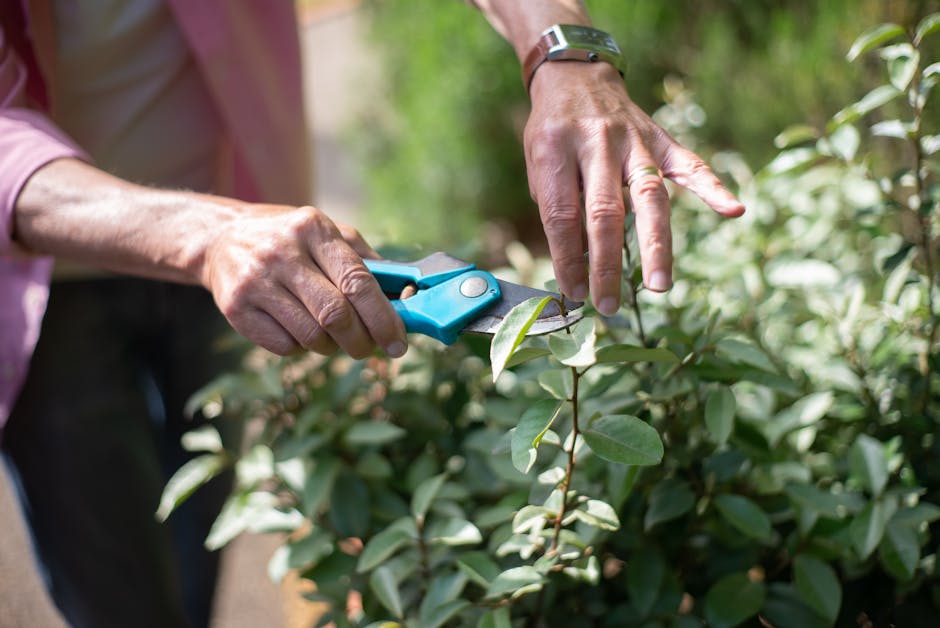
| Secateurs | Small stems, deadheading, light shaping | Gives clean cuts and reduces damage to soft growth |
| Shears or hedge trimmer | Hedge shaping and tidying | Keeps hedge lines even and manageable |
| Lawnmower | Routine grass care | Maintains lawn height and presentation |
| Rake and garden broom | Leaves, twigs, loose debris | Quickly clears surfaces and reveals problem areas |
| Gloves | Weeding and general protection | Helps with grip and keeps hands from taking a beating |
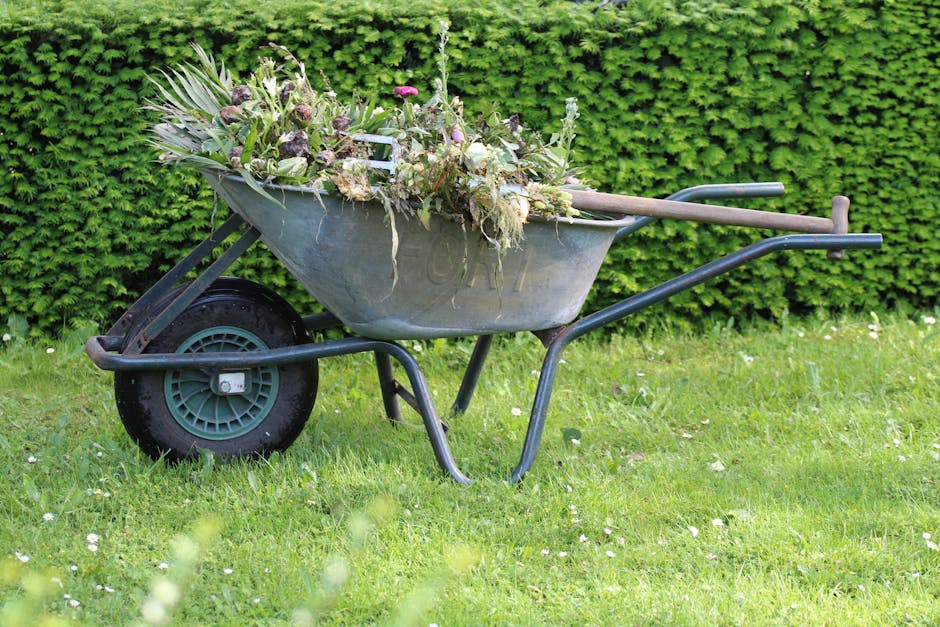
| Wheelbarrow or garden bags | Waste movement | Makes clearance easier and less messy |
| Mulch and compost | Border health and moisture retention | Supports plant resilience and helps suppress weeds |
If you are working through a bigger refresh, it can be helpful to look at the wider service structure on the services overview page, especially where maintenance overlaps with clearance, hedge work, or lawn care. Some gardens need one-off support before a simple routine can really work.
For homeowners who want to understand pricing, the pricing and quotes page is a sensible place to start. And if you are thinking about how waste is handled or want greener choices, the recycling and sustainability information can be reassuring. Tiny detail, maybe, but it matters to many people.
Law, Compliance, Standards, or Best Practice
Garden maintenance is mostly practical work, but there are sensible standards and responsibilities to keep in mind. In the UK, property owners and occupiers are generally expected to maintain outdoor areas in a way that does not create avoidable risk to others. That usually means keeping paths clear, dealing with overgrowth, and making sure work is carried out safely.
If you are doing your own work, think in terms of common best practice: use tools correctly, wear appropriate protective equipment, avoid unsafe ladder use, and do not attempt tasks that are beyond your skill or the equipment you have. For larger or riskier work, especially anything involving mature trees or awkward access, it is better to choose a proper service that follows a clear safety process.
Where contractors are involved, basic checks matter. You want clarity on what is included, how waste is managed, and what safety measures are in place. If that is important to you, it is worth looking at a provider's insurance and safety information and their health and safety policy. Those pages do not make a garden prettier, obviously, but they do tell you a lot about how seriously the work is handled.
There is also a practical trust angle. A company that is transparent about its working standards, payment handling, and dispute process tends to be easier to deal with if anything unusual comes up. For that reason, pages such as payment and security, complaints procedure, and terms and conditions can be worth reviewing when you are choosing help. Small things, but useful.
Options, Methods, or Comparison Table
Not every garden needs the same maintenance style. A sensible approach depends on time, budget, and how much of the work you want to handle yourself. Here is a simple comparison.
| Approach | Best For | Pros | Trade-Offs |
|---|---|---|---|
| DIY upkeep | Small, manageable gardens and confident gardeners | Flexible, hands-on, lower immediate cost | Requires time, equipment, and consistency |
| Occasional professional help | Gardens that need periodic reset or seasonal support | Good for heavier tasks and finishing touches | Still relies on you for basic in-between care |
| Ongoing maintenance service | Busy households, larger gardens, or properties needing regular presentation | Most consistent results, less stress, easier planning | Ongoing commitment and scheduling |
The best choice is often a mix. For example, you might mow and deadhead yourself, then bring in help for hedge trimming, clearance, or structural work. That middle ground works well for a lot of E11 homeowners because it keeps the garden under control without making every task a weekend project.
If hard landscaping also needs attention, you may want to consider broader support such as decking services, especially where timber surfaces need cleaning, repair, or better integration with planting. A garden rarely has one issue on its own; more often, several parts need to work together.
Case Study or Real-World Example
Picture a typical E11 back garden after a busy spring. The lawn has grown unevenly because the weather changed quickly. The hedge along the side fence has stretched toward the light. A few borders are full of weeds, and the patio has collected leaves and gritty soil in the corners. Nothing dramatic. Just enough to make the space feel unfinished.
The maintenance approach begins with a clean-out. Loose debris is removed first so the layout becomes visible again. Next, the lawn is mown in stages rather than heavily cut at once. The hedge is trimmed back enough to restore shape without stripping it bare. Borders are weeded and lightly mulched. Then the patio edges are swept, and the whole garden is checked for anything that still looks out of place.
What changes most is not just the appearance but the feel of the space. The garden becomes lighter, easier to move through, and less mentally noisy. You can see the path. You can use the lawn. You can tell what still needs attention and what is already sorted. That is the real win.
In a few cases, the garden has a bigger issue hiding underneath the surface: a tree that is shading too much, a hedge that is too dense, or a build-up of waste that has been left for months. When that happens, maintenance alone may not be enough at first. A more substantial reset can help, and then regular upkeep becomes much more realistic.
Practical Checklist
Use this as a quick reference before you start. It keeps the job focused and stops the little things from being forgotten.
- Walk the whole garden and note what looks overgrown, sparse, or damaged.
- Clear leaves, twigs, old pots, and general debris.
- Mow the lawn at a sensible height and clean up the edges.
- Trim hedges and shrubs with a clear shape in mind.
- Pull weeds from borders and around hard surfaces.
- Check for pooling water, moss, or slippery areas.
- Inspect trees, stems, and branches for dead or unsafe growth.
- Mulch or feed where the soil needs support.
- Sweep paths, patios, and drive-adjacent areas.
- Remove waste responsibly and plan the next maintenance date.
Expert summary: If you want a garden in E11 to stay manageable, focus on small, regular tasks, seasonal timing, and safe handling of bigger jobs. That combination beats occasional overhaul work almost every time.
Conclusion
Good garden maintenance in E11 is not about creating a perfect outdoor space. It is about creating one that is calm, usable, and resilient enough to cope with real life. The best Wanstead gardeners tend to work with the garden rather than against it: they keep an eye on growth, clear what is in the way, and deal with the bigger structural issues before they turn into long-term headaches.
If you remember only one thing from this guide, make it this: maintain early, maintain lightly, and do not let small jobs stack up for too long. A tidy border, a healthy lawn, and a properly trimmed hedge can change the whole feel of a property. Not flashy. Just better. And honestly, that is usually what people want.
If your garden needs a fresh start or ongoing support, it helps to review the available garden maintenance options and choose the level of help that fits your space and your schedule. You will feel the difference sooner than you think.
Get a free quote today and see how much you can save.
Frequently Asked Questions
How often should I carry out garden maintenance in E11?
For most gardens, a light weekly or fortnightly routine works well in the growing season, with extra checks after windy weather, heavy rain, or leaf fall. The exact rhythm depends on how fast your garden grows and how much shade it gets.
What is the most important task for keeping an E11 garden tidy?
There is no single magic task, but regular mowing, edging, and debris removal usually make the biggest visual difference. If those slip, the whole garden starts to feel untidy very quickly.
Can I do garden maintenance myself, or should I hire help?
You can absolutely handle many routine jobs yourself if the garden is manageable and you have the time. If you are dealing with large hedges, unsafe trees, heavy clearance, or simply a backlog that feels too big, professional help is often the smarter option.
What should I do with an overgrown hedge?
Start with a light assessment rather than a hard cut. Trim gradually, keep the shape balanced, and avoid removing too much at once. If the hedge is extensive or awkward to reach, a dedicated hedge trimming service is often safer.
When is the best time to mow the lawn?
Mow when the grass is dry enough to cut cleanly and the ground is not soft or waterlogged. During warmer months, more frequent mowing with a sensible blade height usually gives the best result.
Why does my garden keep looking messy even after I tidy it?
Usually there is a structural reason: overgrowth, poor drainage, too much shade, or repeated debris build-up in the same spots. If the same issue keeps returning, it is worth dealing with the cause rather than just the visible symptom.
Do I need a full garden clearance before maintenance starts?
Not always, but it helps if the garden has a lot of waste, bramble, or built-up clutter. A clearance creates space for proper maintenance and makes it much easier to see what actually needs doing.
Are there safety concerns with garden maintenance?
Yes, especially with ladders, power tools, heavy lifting, slippery surfaces, and tree work. Use the right equipment, work carefully, and avoid tasks that feel beyond your comfort or skill level. Safety is not the glamorous part, but it matters.
How do I know whether my garden needs landscaping rather than routine maintenance?
If the space has repeated layout problems, poor flow, drainage issues, or planting that no longer suits how you use the garden, maintenance alone may not solve it. In that case, landscape gardening or landscaping can create a better long-term structure.
What should I look for in a local gardener?
Look for clear communication, sensible safety practices, transparent pricing, and a service range that matches your needs. It also helps if the business explains how it handles payments, waste, and any complaints process. That gives you a much better sense of how they operate.
How can I keep maintenance costs under control?
Stay ahead of problems. Small, regular jobs are usually far less expensive than large recovery work. Combining DIY upkeep with occasional professional support can also be a good middle ground for many homeowners.
What if I only want my garden to look presentable, not perfect?
That is completely normal, and probably more realistic. Focus on visible wins first: mow the lawn, clear the edges, trim anything blocking light or access, and remove clutter. Presentable is often enough, and truth be told, it usually feels better to live with too.